
Make it you!
Choosing your wedding theme is one of the most exciting steps in planning your big day. It sets the tone, shapes the décor, guides the styling, and helps every decision fall into place with clarity and purpose. But with endless inspiration available, settling on the right theme can feel overwhelming. The good news? Your perfect theme already exists—it just needs to be uncovered. Here’s how to choose a wedding theme that reflects your personalities, preferences, and the unique story you want to tell.
1. Start With Your Likes and Dislikes
Your theme should feel like a natural extension of who you are as a couple.
Take some time to discuss what you both love—and equally important, what you don’t.
Ask yourselves:
- Do you love clean, modern lines or soft, romantic details?
- Are you drawn to rustic textures or glamorous finishes?
- Do you prefer minimal simplicity or bold, maximalist style?
- Are there colours or aesthetics you absolutely don’t want?
Your likes and dislikes act as a filter, helping you narrow down countless possibilities to a few that truly resonate.
“It is in your moments of decision that your destiny is shaped” Tony Robbins
2. Let Colour Be Your Guide
Colour is often the easiest way to begin defining a theme.
Think about:
- Your favourite colours
- Shades that feel elegant or joyful
- Colours that align with your personality
- Tones that complement your venue and the time of year
Warm neutrals suggest earthy, timeless vibes.
Deep jewel tones create richness and opulence.
Soft pastels bring romance and lightness.
Bold, saturated colours add fun and vibrancy.
Your colour palette will help shape everything from florals to table décor, creating cohesion without needing a theme that feels forced.
3. Consider Your Venue Setting
Your venue plays a big role in deciding what will look and feel natural.
A few examples:
- Barns or farms lean toward rustic, boho, or countryside themes.
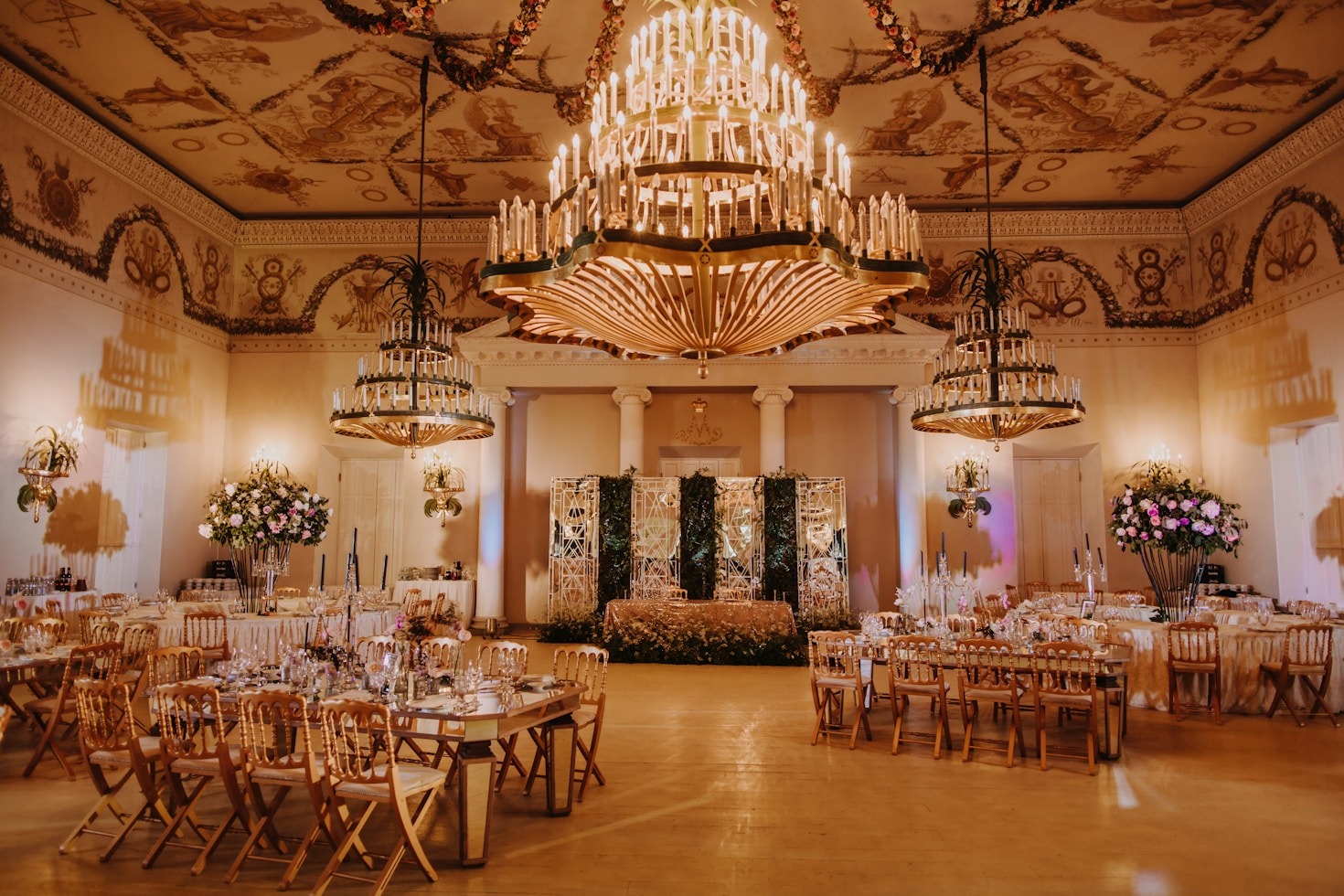
- Ballrooms pair beautifully with glamorous, classic, or luxury styles.
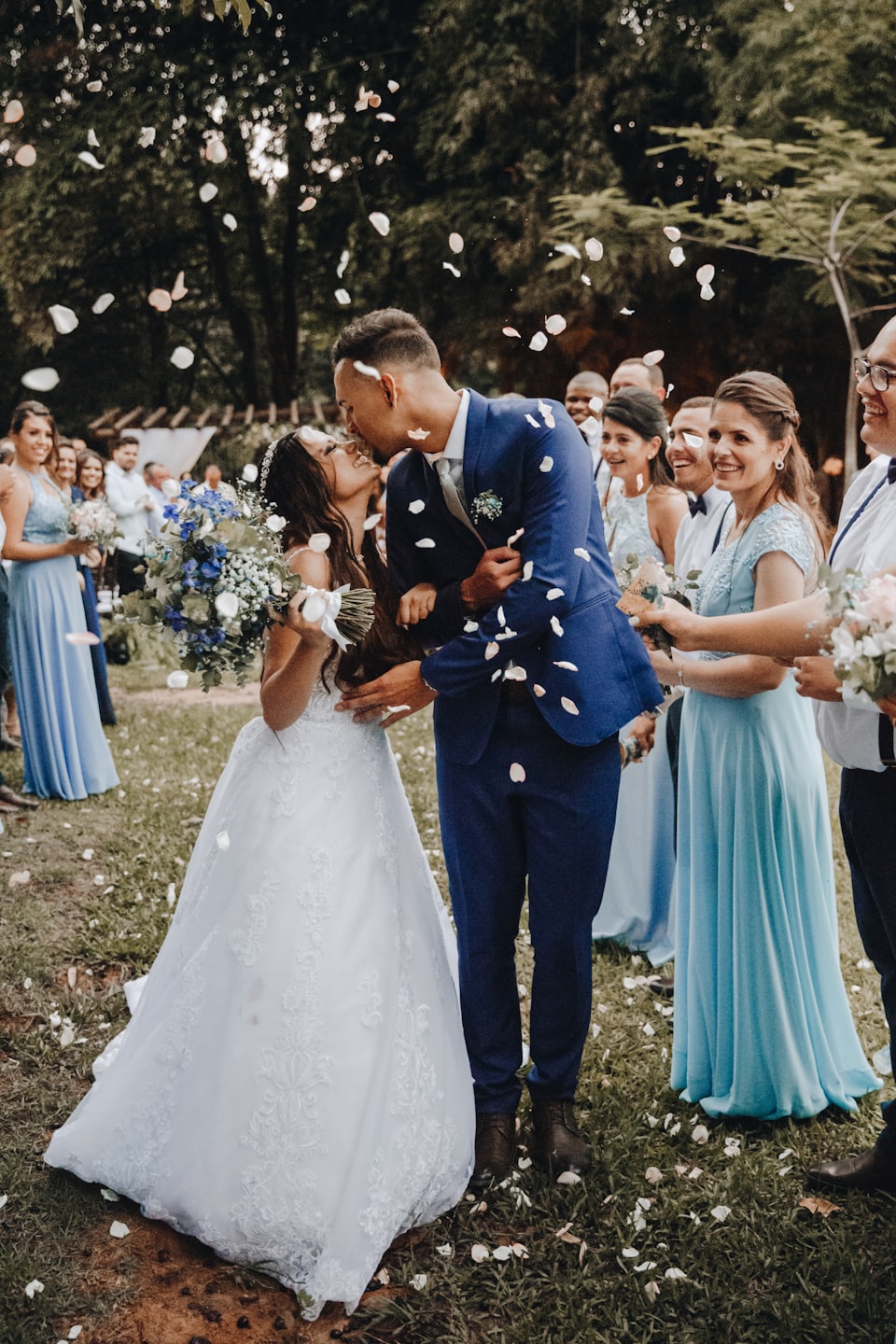
- Gardens work perfectly with botanical, whimsical, or romantic themes.
- Industrial spaces suit modern, minimalist, or urban chic designs.
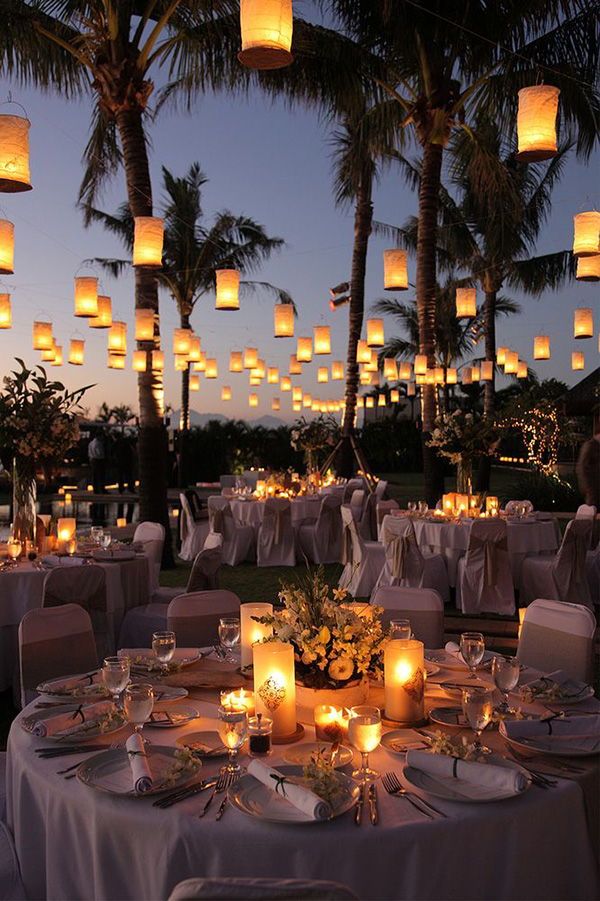
- Beaches inspire coastal, tropical, or relaxed bohemian themes.
You don’t need to match your venue exactly, but letting the space inspire your choices ensures everything looks intentional and harmonious.
As you move toward the midpoint of the article, this paragraph provides an opportunity to connect earlier ideas with new insights. Use this space to present alternative perspectives or address potential questions readers might have. Strike a balance between depth and readability, ensuring the information remains digestible. This section can also serve as a transition to the closing points, maintaining momentum as you steer the discussion to its final stages.
Wrapping Up with Key Insights
In this concluding paragraph, summarize the key takeaways from your article, reinforcing the most important ideas discussed. Encourage readers to reflect on the insights shared, or offer actionable advice they can apply in their own lives. This is your chance to leave a lasting impression, so make sure your closing thoughts are impactful and memorable. A strong conclusion not only ties the article together but also inspires readers to engage further.
Leave a Reply